
Motorcycle Mechanic Schools and Powersports Training Programs



Motorcycle mechanic schools can help you build hands-on skills for repairing and maintaining motorcycles, dirt bikes, ATVs, UTVs, scooters, and other powersports equipment. Programs may cover engines, electrical systems, fuel systems, diagnostics, drivetrains, suspension, braking systems, shop safety, and manufacturer-specific technology.
Use this page to find motorcycle mechanic schools near you, compare hands-on training options, and understand what to ask before choosing a motorcycle technician or powersports repair program. Dedicated motorcycle schools are not available in every area, so this guide also explains how to widen your search to powersports technology, small engine repair, marine mechanic, or automotive technician training without drifting into the wrong program.
Quick facts about motorcycle mechanic training
- Common program types
- Certificate, diploma, associate degree, manufacturer-specific electives, dealership training, and on-the-job training.
- Training formats
- Most career-focused programs combine classroom or online theory with in-person shop training. Online-only courses are usually better for hobbyists than job readiness.
- Equipment covered
- Motorcycles, dirt bikes, ATVs, UTVs, scooters, side-by-sides, and sometimes snowmobiles or personal watercraft.
- Skills you can build
- Diagnostics, two-stroke and four-stroke engines, electrical systems, fuel injection, brakes, suspension, drivetrains, maintenance, and service documentation.
- Possible employers
- Motorcycle dealerships, independent repair shops, powersports retailers, race or performance shops, fleet maintenance teams, and your own shop after enough experience.
This training can make sense if...
- You want hands-on work with motorcycles, ATVs, UTVs, scooters, dirt bikes, or related powersports equipment.
- You learn best by diagnosing real problems, using tools, and practicing under supervision.
- You are open to dealership, independent shop, parts, service advisor, fleet, or self-employment paths.
Think twice if...
- You need guaranteed local program availability or guaranteed placement with a specific motorcycle brand.
- You are not ready for tool costs, seasonal demand, customer-service pressure, or physically detailed shop work.
- You expect online-only training to replace supervised lab practice for professional repair work.
Motorcycle Mechanic Training
Motorcycle mechanic training is meant to move you beyond casual tinkering. A strong program should teach you how to diagnose problems, follow service procedures, use tools safely, read technical information, and repair real equipment under instructor supervision. The best fit depends on whether your goal is dealership work, independent shop work, powersports repair, performance tuning, or a serious hobby you want to take beyond weekend tinkering.
No local motorcycle school showing up?
Try widening the search before you assume the road is closed. Many schools use broader program names than “motorcycle mechanic.” Look for:
- Powersports technology or powersports technician training
- Motorcycle and powersports, marine and powersports, or outdoor power equipment programs
- Small engine repair programs that include motorcycles, ATVs, or scooters
- Automotive technology programs with motorcycle, small engine, or powersports electives
- Entry-level dealership roles such as porter, lot tech, parts assistant, service helper, or apprentice technician
Then ask the school or employer exactly which equipment you will work on. “Powersports” may be the magic word; “motorcycle only” can be too narrow.
Good catalog searches: powersports technology, motorcycle technology, motorcycle and powersports, marine and powersports, outdoor power equipment, small engine repair, and motorcycle service technician.
Motorcycle Mechanic Schools
Sponsored Listing
Universal Technical Institute
UTI offers motorcycle technician training through Motorcycle Mechanics Institute. Students can build motorcycle and powersports skills, then pursue manufacturer-specific training options depending on the campus and current program path. Current UTI materials describe training for motorcycles, ATVs, side-by-sides, snowmobiles, and personal watercraft, along with electrical systems, diagnostics, routine service, and repair procedures.
- Avondale, Arizona
- Orlando, Florida
- Motorcycle Technician
UTI currently describes its Motorcycle Technician Training Program as 48 weeks. Program length, electives, credentials, and manufacturer options can vary by campus and enrollment period, so verify current details before choosing a start date.
Learn MoreWhat Motorcycle Mechanic Training Covers
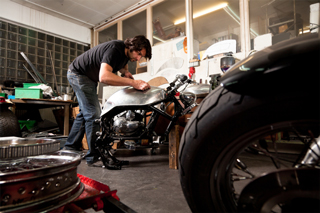 A good motorcycle repair program should help you understand both how motorcycles work and how technicians actually diagnose problems in a shop. Course names vary, but the core skill areas often include:
- Two-stroke and four-stroke engine operation
- Fuel systems, fuel injection, ignition, and exhaust systems
- Electrical and electronic systems, including charging and starting systems
- Diagnostic procedures, scan tools, wiring diagrams, and service manuals
- Transmissions, clutches, final drives, chains, belts, and shafts
- Brakes, tires, wheels, steering, suspension, and chassis service
- Preventive maintenance, inspections, adjustments, and tune-ups
- Performance basics, drivability, and customer complaint diagnosis
- Shop safety, hazardous-material handling, documentation, and customer communication
Look for programs that give you supervised time with live equipment, not just diagrams and textbook theory. The closer the training feels to a real service bay, the more useful it is likely to be.
Types of Motorcycle Mechanic Schools and Programs
There is no single official route into motorcycle repair. The right option depends on what is available near you, how quickly you want to start working, how much debt you can tolerate, and whether you want broader powersports skills or brand-specific dealership training.
| Option | Best fit | Watch out for |
|---|---|---|
| National motorcycle technician institute | Students willing to relocate for concentrated, hands-on training and possible manufacturer-specific electives. | Total cost, housing, whether OEM electives are included or extra, and whether the campus offers the brands you care about. |
| Community or technical college powersports program | Students who want a lower-cost local option, broader mechanical training, or an associate degree path. | Whether motorcycle repair is a major curriculum area or only a small part of a broader small-engine program. |
| Certificate or diploma | Focused trade-school training for entry-level motorcycle or powersports service roles. | Hands-on lab time, equipment covered, tool costs, career services, completion rates, and whether manufacturer electives are included or separate. |
| Manufacturer-specific training | Brand-focused systems, diagnostics, service procedures, and warranty processes for dealership work. | Which brands are current, which campus offers them, whether credits count toward dealer requirements, and whether the training is entry-level or advanced. |
| Dealership or employer training | Paid or entry-level work where you learn under shop supervision. | Whether you will get structured training, supervised practice, and a clear path beyond basic shop support work. |
| Online introductory courses | Hobby learning, theory, terminology, safety basics, electrical concepts, and maintenance principles. | Online-only training cannot replace real shop practice if your goal is dealership or professional repair work. |
National school vs. local college: A large motorcycle institute may offer faster, brand-focused training and direct exposure to manufacturer systems. A public technical college may cost less, run longer, and use broader powersports or associate-degree coursework. Neither is automatically “best.” Compare total cost, tools, commute or relocation, lab equipment, employer relationships, and how directly the program lines up with the shops you want to work for.
How to Choose the Best Motorcycle Mechanic School for You
The best motorcycle mechanic program is not automatically the closest, cheapest, fastest, or loudest one in the search results. It is the one that gives you enough practical experience, current equipment, and career support for the kind of work you actually want.
Ask these questions before enrolling
- Does the program include hands-on shop training with real motorcycles or powersports equipment?
- Are motorcycles, ATVs, UTVs, dirt bikes, scooters, side-by-sides, or personal watercraft included?
- Which brands and technologies are covered?
- Does the school use current diagnostic tools, scan tools, service information, and electrical testing equipment?
- Are manufacturer-specific modules available, and are they included in the program cost?
- Are there dealership, employer, or manufacturer relationships that support hiring or additional training?
- What is the total cost after tuition, fees, books, tools, supplies, housing, and transportation?
- Does the school publish completion, placement, and licensure or certification outcomes?
- Are flexible schedules available if you need to work while training?
- Is financial aid available for eligible students and programs?
- Will you get live repair practice, instructor feedback, and help building job-ready shop habits?
Red flags worth taking seriously
- The school talks about “motorcycle careers” but cannot name the bikes, ATVs, UTVs, or diagnostic tools used in labs.
- Admissions gives tuition but dodges tool costs, fees, housing, or manufacturer-elective costs.
- The program is mostly online or lecture-based but markets itself like a professional shop-training path.
- Placement claims sound impressive, but the school will not explain what counts as a placement.
- Manufacturer logos appear everywhere, but nobody can explain what official training or credits students actually earn.
Hands-On vs. Online Motorcycle Mechanic Training
Online motorcycle repair training can be useful for learning terms, maintenance basics, service theory, safety, electrical fundamentals, and troubleshooting logic. It can also help hobbyists stop doing crimes against carburetors in the garage.
But professional readiness usually takes hands-on work. Employers want technicians who can use tools, test circuits, inspect wear, follow torque specs, read service data, diagnose real symptoms, and work safely around fuel, batteries, brakes, wheels, and moving parts. For dealership, powersports, or independent shop roles, prioritize programs with in-person lab time and instructor feedback.
A purely online course can be a reasonable starter if you are budget-constrained or exploring the field. Just treat it like theory, not a guaranteed dealership job ticket. Pair it with real repair projects, supervised shop work, or an entry-level service role as soon as possible.
Motorcycle, ATV, Dirt Bike, and Powersports Training
Motorcycle mechanic programs often overlap with powersports training. That matters because many schools, employers, and dealerships do not separate motorcycles from ATVs, UTVs, dirt bikes, scooters, snowmobiles, or personal watercraft as neatly as keyword tools do. In colder regions, broader powersports skills may also help keep work more consistent when motorcycles are parked for the winter.
| Path | Focus | Why compare it? |
|---|---|---|
| Motorcycle technician | Street bikes, cruisers, sport bikes, touring bikes, scooters, and related systems. | Best fit if you want motorcycle dealership or independent motorcycle repair work. |
| ATV/UTV technician | ATVs, side-by-sides, utility vehicles, off-road equipment, and drivetrain systems. | Good fit for powersports shops, rural markets, recreation areas, and year-round equipment service. |
| Dirt bike technician | Off-road motorcycles, suspension setup, race prep, performance service, and maintenance. | Useful if you want motocross, trail, race, or performance work. |
| Small engine mechanic | Outdoor power equipment, lawn equipment, compact engines, and seasonal tools. | Useful when dedicated motorcycle schools are not nearby or you want broader repair options. |
| Marine mechanic | Boats, personal watercraft, outboards, inboards, and marine electrical systems. | Worth comparing in coastal, lake, and recreation-heavy markets. |
| Automotive technician | Cars, light trucks, diagnostics, electrical systems, brakes, engines, and drivetrains. | Often has more local program availability and larger year-round employment markets. |
Manufacturer and Dealership Training
Brand-specific training can matter in motorcycle service because dealerships often work with manufacturer procedures, diagnostic tools, warranty rules, service bulletins, and parts systems. Harley-Davidson, Honda, Yamaha, Kawasaki, Suzuki, BMW Motorrad, Ducati, KTM, Polaris, Triumph, and other brands may each use different service platforms and training pathways.
Manufacturer training is not always a direct-entry path for beginners. Some options are electives after a core motorcycle technician program; others are dealer-sponsored training for people already working in the brand network. For example, UTI describes its Harley-Davidson path as an 18-week Motorcycle Technician Prerequisite followed by a 30-week Harley-Davidson-specific curriculum, for 48 weeks start to finish. Other brand-specific options may have different prerequisite, campus, and timing rules.
Do not assume a school teaches every brand just because a page mentions motorcycles. Ask which manufacturer training options are current, where they are offered, how long they take, whether they cost extra, and whether local employers recognize them.
Motorcycle Mechanic Tools Students May Need
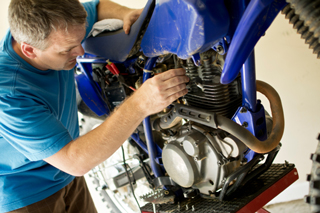 Tool requirements vary by school and employer. Some programs include shared lab tools or bundle tools into fees. Others expect students to buy a starter set. Before enrolling, ask for the current tool list, whether tools must be new or can be used, and whether student discounts are available.
Do not hand-wave this part. Public program cost pages can show books, course fees, tools, supplies, and other required items adding up to thousands of dollars beyond tuition. Your final number can change a lot depending on the school and tool policy, so get it in writing before you sign anything.
- Basic metric and SAE hand tools
- Torque wrench and precision measuring tools
- Multimeter and electrical testing leads
- Compression tester and leak-down testing equipment
- Diagnostic or scan tools, depending on program and employer
- Tire, wheel, chain, belt, brake, suspension, and clutch service tools
- Service manuals, technical information access, uniforms, and safety gear
- Brand-specific specialty tools for some dealerships or advanced work
Ask this exact question: “What is the total estimated cost for tools, tool storage, books, fees, uniforms, safety gear, and supplies, and which of those are optional?” If the answer is vague, slow down and ask for a written estimate before you commit.
Motorcycle Mechanic Career Information
Motorcycle technicians inspect, maintain, diagnose, and repair motorcycles and related powersports equipment. The work can be satisfying if you like mechanical problem-solving, careful hands-on work, and customers who will absolutely describe an intermittent electrical issue as “it just feels weird.”
Career paths for motorcycle and powersports technicians
Dealership technician
Services motorcycles or powersports equipment for one or more brands, often using manufacturer procedures and diagnostic systems.
Independent shop mechanic
Works on a wider mix of bikes, customer issues, older equipment, aftermarket parts, and repairs that may not fit neatly into dealership workflows.
Powersports technician
Repairs motorcycles, ATVs, side-by-sides, snowmobiles, scooters, and sometimes personal watercraft or related recreational equipment.
Performance or race shop technician
Focuses on tuning, suspension setup, custom work, race prep, and upgrades for riders who are allergic to leaving anything stock.
Service advisor or parts specialist
Uses technical knowledge to support customers, estimate repairs, manage parts, explain service needs, and keep the shop moving.
Shop owner or mobile mechanic
Runs an independent repair business after building enough technical skill, customer trust, business sense, and tolerance for paperwork.
Motorcycle Mechanic Salary and Job Outlook
According to BLS Occupational Employment and Wage Statistics data for May 2025, motorcycle mechanics earned a median annual wage of $48,580. The lowest 10 percent earned $34,770 or less, and the highest 10 percent earned $74,400 or more. Pay can vary a lot by region, employer, experience, brand specialization, customer volume, seasonality, and whether compensation is hourly, salary, commission, or flat rate.
Flat-rate pay is worth understanding before you fall in love with a salary number. In some shops, an experienced technician is paid based on the labor time assigned to a repair, not simply the hours spent standing in the building. That can reward speed and diagnostic skill, but it can also make slow seasons, warranty work, and messy electrical problems feel like financial bear traps.
BLS employment projections for 2024 to 2034 show motorcycle mechanic employment growing from about 14,900 to 15,700 jobs, a projected increase of 5.3 percent, with about 1,500 openings per year on average. That is a small occupation, so local availability matters. A few openings in the wrong town will not help much if you are not willing or able to relocate.
| Occupation | Median annual wage | Why it matters |
|---|---|---|
| Motorcycle mechanics | $48,580 | Direct match for motorcycle technician career intent. |
| Outdoor power equipment and other small engine mechanics | $47,880 | Related option when local motorcycle programs or jobs are limited. |
| Motorboat mechanics and service technicians | $57,550 | Useful comparison for powersports and personal watercraft markets. |
| Automotive service technicians and mechanics | $50,620 | Broader year-round market with more program availability in many areas. |
| Bus and truck mechanics and diesel engine specialists | $61,770 | Potentially stronger pay path if you like bigger equipment and diesel systems. |
Licensing and Certification
Many states do not appear to require a separate statewide motorcycle mechanic license for general entry-level repair work, but do not treat that as universal life advice carved into stone. State rules can change, and some states regulate motor vehicle repair mechanics, repair facilities, inspectors, emissions or safety inspection work, or specialty repairs.
Michigan is the big example to take seriously: its Secretary of State mechanic rules require testing and certification for repair categories, and state repair-facility guidance specifically calls out motorcycle repair certification for diagnosis, service, repair, and adjustment of motorcycles and component parts. Hawaii also has a Motor Vehicle Repair Industry Board with mechanic and repair dealer licensing categories. Before enrolling or opening a shop, check your state motor vehicle repair, consumer protection, or licensing agency.
Employer expectations are separate from state law. Dealerships may value manufacturer training for warranty work, new model technology, electronic diagnostics, and brand-specific service procedures even where no statewide mechanic license is required.
What Motorcycle Mechanics Do
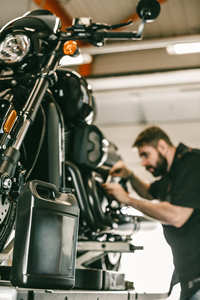 Motorcycle mechanics, also called motorcycle service technicians, help keep bikes and related equipment safe, reliable, and performing properly. Daily tasks may include:
- Diagnosing electrical, mechanical, fuel, ignition, or drivability issues
- Testing batteries, charging systems, sensors, circuits, and engine performance
- Inspecting brakes, tires, wheels, suspension, steering, chains, belts, and final drives
- Performing oil changes, tune-ups, scheduled maintenance, and safety inspections
- Repairing or replacing worn, damaged, or malfunctioning parts
- Reading service manuals, wiring diagrams, recall notices, and technical bulletins
- Explaining recommended repairs, parts, labor, and costs to customers or service advisors
- Completing documentation for shop records, warranty claims, and parts orders
Motorcycle Mechanic School Cost and Length
Motorcycle mechanic training length can range from a few months to about a year for many certificate or diploma paths. Associate degree routes may take closer to two years. Manufacturer-specific electives, part-time schedules, and additional powersports training can extend the timeline.
Cost varies too much by school, credential, campus, tools, housing, and financial aid eligibility to trust a single national number. Online theory programs can be much cheaper, public colleges may be relatively affordable for in-state students, and national trade-school paths can become expensive once relocation and electives are included. Ask admissions for a full cost breakdown that includes:
- Tuition and mandatory fees
- Tools, tool storage, uniforms, safety gear, and supplies
- Books, online resources, testing fees, and manufacturer training fees
- Housing, transportation, parking, and relocation costs if the program is not nearby
- Financial aid, scholarships, grants, veteran benefits, or payment plans for eligible students
- Refund policy, program completion rate, and job-placement support
Motorcycle Mechanic School FAQs
How do I become a motorcycle mechanic?
A common path is to complete motorcycle or powersports technician training, build hands-on experience, and apply for entry-level roles at dealerships, repair shops, powersports retailers, or fleet maintenance employers. Some people start through helper roles or on-the-job training instead of school. Manufacturer training can also help if you want to work on specific brands.
Are there motorcycle mechanic schools near me?
Maybe. Availability depends heavily on where you live. Some areas have dedicated motorcycle technician schools; others only have related programs such as powersports, small engine repair, automotive technology, marine technology, or diesel training. Use the school search tools on this page and ask each school which vehicles, brands, and hands-on lab equipment are included.
How long is motorcycle mechanic school?
Many motorcycle mechanic certificate or diploma programs take several months to about a year. Associate degree programs may take closer to two years. Manufacturer-specific electives, campus schedules, and part-time attendance can change the total time.
How much does motorcycle mechanic school cost?
Cost depends on the school, credential, campus, program length, tools, fees, supplies, housing, and aid eligibility. Online theory programs may cost far less than campus-based programs, while hands-on national programs can become expensive after tuition, tools, fees, and relocation. Ask for the total estimated cost, not just tuition. Tool costs can be one of the easiest expenses to underestimate.
Can I learn motorcycle repair online?
You can learn theory, maintenance basics, terminology, and troubleshooting concepts online. For professional technician roles, you will generally want hands-on practice with actual motorcycles, diagnostic tools, electrical systems, brakes, suspension, and engine service.
Do motorcycle mechanics need certification?
State requirements vary. Many states do not have a separate statewide motorcycle mechanic license for basic repair work, but some regulate mechanics, repair facilities, inspection work, or specialty services. Michigan is a notable exception for motorcycle repair certification. Employers may also prefer manufacturer training for specific brands and warranty procedures.
What is the difference between motorcycle mechanic and powersports technician training?
Motorcycle mechanic training focuses on motorcycles and related bike systems. Powersports technician training is usually broader and may include ATVs, UTVs, side-by-sides, scooters, snowmobiles, personal watercraft, or other recreational equipment.
Do motorcycle mechanic schools teach ATV or dirt bike repair?
Some do, especially powersports-focused programs. Do not assume every motorcycle program includes ATV, UTV, or dirt bike repair. Ask which equipment is used in labs and whether off-road or powersports systems are part of the curriculum.
Can I get Harley-Davidson mechanic training?
Some schools and manufacturer partners offer Harley-Davidson-focused training or electives. Availability can depend on campus, start date, and program version, so verify current options directly with the school before enrolling.
Is motorcycle mechanic school worth it?
It can be worth it if the program gives you real shop practice, current tools, strong instructor support, credible employer connections, and a clear path toward the kind of work you want. It is less compelling if the program is mostly theory, has weak lab equipment, hides costs, or does not connect to local jobs.
What tools do motorcycle mechanic students need?
Students may need hand tools, a torque wrench, multimeter, measuring tools, safety gear, tool storage, and specialty tools depending on the school. Ask for the current tool list, total estimated cost, student-discount options, and whether tools are included, leased, financed, or purchased separately.
Can I become a motorcycle mechanic without school?
Yes, some mechanics learn through entry-level shop work, apprenticeships, personal repair projects, military experience, or employer training. School can shorten the learning curve and make you more appealing for entry-level roles, but it is not the only path.
Sources
Career and wage information was reviewed using the U.S. Bureau of Labor Statistics Occupational Employment and Wage Statistics tables for May 2025 and BLS occupational projections for 2024 to 2034. The May 2025 OEWS wage figures come from the national cross-industry data row for SOC 49-3052. Program and manufacturer-training examples were reviewed against current school and regulatory sources where noted.
- U.S. Bureau of Labor Statistics, Occupational Employment and Wage Statistics, May 2025 data tables: https://www.bls.gov/oes/tables.htm
- U.S. Bureau of Labor Statistics, Occupational projections and worker characteristics, 2024-2034: https://www.bls.gov/emp/tables/occupational-projections-and-characteristics.htm
- O*NET OnLine, Motorcycle Mechanics 49-3052.00: https://www.onetonline.org/link/summary/49-3052.00
- Universal Technical Institute motorcycle training: https://www.uti.edu/programs/motorcycle
- UTI motorcycle specialized training: https://www.uti.edu/programs/motorcycle/specialized-training
- UTI Harley-Davidson specialized training: https://www.uti.edu/programs/motorcycle/specialized-training/harley-davidson
- M State marine, motorcycle, and powersports technician AAS tuition and tool-cost estimate: https://tuition.minnesota.edu/programs/434
- Michigan Secretary of State, Mechanics: https://www.michigan.gov/sos/industry-services/mechanics
- Hawaii DCCA, Motor Vehicle Repair Industry Board: https://cca.hawaii.gov/pvl/boards/motorrepair/
- U.S. Department of Labor, Apprenticeship Job Finder: https://www.apprenticeship.gov/apprenticeship-job-finder